
Rhode Island New Hire Notice & Mini-Handbook Requirements
Effective January 1, 2026
Beginning January 1, 2026, Rhode Island law requires employers to provide written notice of key employment terms at the start of employment. This requirement—sometimes referred to as a “mini employee handbook”—covers pay information, policies, and employer details. This page explains what the law requires, what is optional, and how Rhode Island employers can comply without creating a full handbook.
Updated to reflect Rhode Island Payment of Wages requirements effective January 1, 2026. This information is provided for general guidance and is not legal advice.
Rhode Island Mini-Handbook Requirements Checklist
We will get back to you as soon as possible.
Please try again later.

Required Written Notice: What Employers Must Provide
Under Rhode Island General Laws § 28-14-12, employers must provide written notice of the following:
- Rate of pay and basis of pay
- Pay schedule, payday, and first payday
- Vacation, sick, holiday, and PTO policy disclosures
- Employment status (exempt or non-exempt)
- Allowances and regular deductions
- Employer legal name, address, and telephone number
What Is an Employee Handbook?
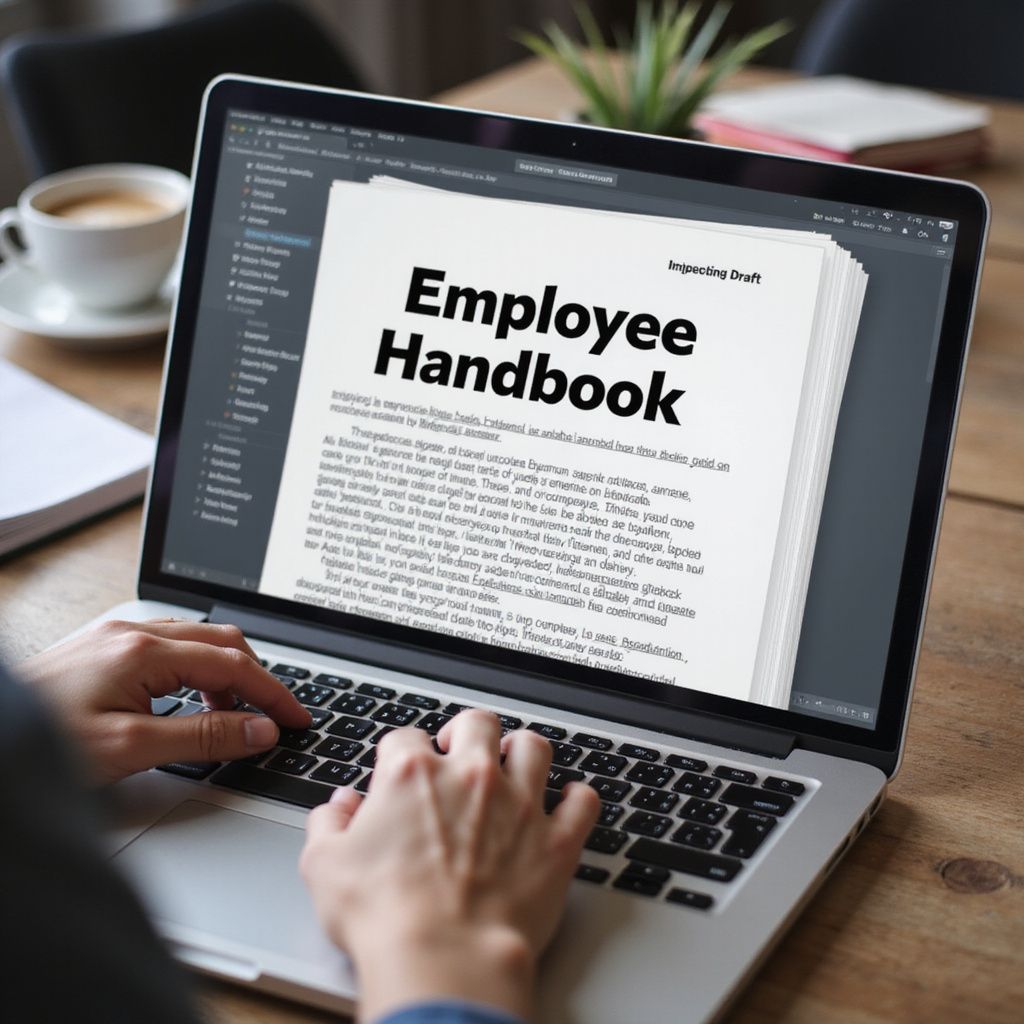
An employee handbook is a written document that explains workplace policies, employee expectations, and employer responsibilities. While Rhode Island’s new law requires employers to provide a mini handbook or written notice with specific information, many businesses choose to maintain a full employee handbook to clearly communicate company rules, reduce misunderstandings, and support legal compliance. A well-written handbook helps employees understand workplace standards from day one and provides employers with consistent documentation of policies and procedures.
Rhode Island updated its Payment of Wages requirements to mandate that employers provide written notice of certain employment terms at the start of employment. This written notice is intended to ensure employees understand pay, policies, and basic employment expectations from day one, reducing confusion and disputes later.The requirement applies to Rhode Island employers regardless of size. While the law does not require a full employee handbook, it does require that specific information be provided clearly and consistently in writing.
What Changed Under Rhode Island Law
The law focuses on written disclosure rather than document length or format. Employers are not required to create a lengthy handbook. However, they must document specific employment information clearly and understandably so employees can easily comprehend and retain it. At a minimum, employers must provide written notice of pay details, time-off policies, employment classification, deductions, and employer contact information. Many employers meet this requirement using a short, focused document commonly referred to as a “mini employee handbook.”
What Is Required by Law
A mini employee handbook is a short guide for your team that outlines the most important employment policies and expectations in one place.
It typically includes information such as:
- Work hours and scheduling expectations
- Time-off policies
- Pay rules and payroll timing
- Workplace safety
- Standards of behavior
No fluff. No thick binders. Just clear rules employees can actually read—often on their phones.
What Is a Mini Employee Handbook?
Contact Us
We will get back to you as soon as possible.
Please try again later.
What Does a Full Employee Handbook Include?
A comprehensive Rhode Island employee handbook often includes policies beyond the minimum notice requirements. Employers commonly use a full handbook to outline important topics such as:
- Workplace conduct and professional expectations
- Anti-discrimination and anti-harassment policies
- Wage, overtime, and pay schedule information
- Paid leave, sick time, and benefits summaries
- Attendance, scheduling, and timekeeping rules
- Workplace safety and reporting procedures
- Disciplinary processes and employee complaint procedures
Including these policies in one clear handbook can help employers stay organized, compliant, and consistent across their workforce.
Mini-Handbook vs. Full Employee Handbook
A mini handbook is designed to meet minimum legal notice requirements. A full employee handbook typically covers broader topics such as discipline procedures, benefits, workplace investigations, and company culture.
Some Rhode Island employers use only a mini handbook to satisfy legal requirements. Others maintain a full handbook in addition to the required written notice. There is no one-size-fits-all answer; the right approach depends on the size, complexity, and risk profile of the business. Many employers revisit this decision as their workforce grows or their operations become more complex.


Contact Us
We will get back to you as soon as possible.
Please try again later.
Call Us Today @ 401-298-9311
Why a Mini Handbook Works for Providence Businesses
Providence businesses often operate with small teams, close working relationships, and fast-moving schedules. Clear written rules help avoid confusion and reduce disputes over pay, time off, and expectations.
A short, phone-readable handbook works well in environments where people need answers quickly—whether it’s a coffee shop crew, a seasonal operation around WaterFire, or a small business with shifting schedules. Clear policies mean fewer arguments over “who said what.”

Contact Us
We will get back to you as soon as possible.
Please try again later.
Using an Employee Handbook Template in Rhode Island
Many employers turn to templates after learning about Rhode Island’s mini-handbook requirement. Templates can help, but only if they are used carefully.
Using a template is like starting with pizza dough—it gives you a base, but the final result depends on how you shape it. Employers should review template language, adapt it to Rhode Island law, and ensure it reflects how the business actually operates.
Templates work best when:
- Required pay and policy disclosures are clearly included
- Language matches real workplace practices
- Policies are reviewed for Rhode Island-specific requirements
When a Template Is Not Enough
Templates may fall short for businesses with unique scheduling, pay structures, or compliance risks. In those cases, customized language helps avoid misunderstandings and disputes.
Common Mistakes
- Copying policies that don’t match actual practices
- Including unnecessary or conflicting rules
- Failing to update documents when laws change


Contact Us
We will get back to you as soon as possible.
Please try again later.
Local Experience Shapes Better Handbooks
Rhode Island workplaces face practical issues that generic policies often miss—snow days, parking challenges, seasonal rushes, and flooded streets.
Local experience matters when drafting policies that employees will actually follow. A snow policy on Westminster Street may look different from one in a suburban office park, and good documentation reflects those realities.


Contact Us
We will get back to you as soon as possible.
Please try again later.
Why We Created This Resource
This resource was created based on years of working with Rhode Island employers on employee handbooks, wage notices, and policy documentation. It is designed to explain what the law requires in clear, practical terms—without unnecessary legal jargon or generic advice.

Contact Us
We will get back to you as soon as possible.
Please try again later.
Do all Rhode Island employers have to provide a written new hire notice?
Yes. The requirement applies to Rhode Island employers regardless of size. Any employer hiring employees in Rhode Island must provide written notice of required employment terms at the start of employment.
Is a mini employee handbook required by Rhode Island law?
Rhode Island law does not require a document labeled “mini employee handbook.” However, it does require written disclosure of specific employment information. Many employers meet this requirement using a short document that functions like a mini handbook.
Does this replace a full employee handbook?
No. The written notice requirement establishes a minimum. Some employers continue to maintain a full employee handbook for broader policies, while others rely only on the required written disclosures.
When should the written notice be provided?
The required information must be provided at the start of employment. Employers should ensure new hires receive the written notice on or before their first day of work.
Can the notice be provided electronically?
The law focuses on written disclosure rather than format. Employers commonly provide notices electronically, provided employees can access and retain the information.
Is a mini handbook the same as an employee handbook?
No. A mini handbook satisfies Rhode Island’s minimum new hire notice requirement, while a full employee handbook includes additional workplace policies such as conduct rules, leave policies, and disciplinary procedures.
Do small businesses need an employee handbook in Rhode Island?
Even small employers benefit from having an employee handbook for small businesses, especially when hiring employees and communicating consistent workplace expectations.
Why maintain a full handbook if only a mini handbook is required?
A full handbook helps reduce legal risk, improves communication, and provides clear written policies that support compliance and workplace structure.
Frequently Asked Questions About Rhode Island’s Mini-Handbook Requirement
Contact Us
We will get back to you as soon as possible.
Please try again later.
Call Us Today @ 401-298-9311
Rhode Island’s updated employment law requires employers to provide new hires with written notice of key workplace information starting January 1, 2026. This notice is often referred to as a mini employee handbook, and it serves as a baseline compliance requirement. However, many employers also create a full employee handbook that incorporates these required notices along with broader workplace policies to better protect both the business and employees.
Employee Handbook
An
employee handbook is a written document that outlines workplace policies, employee expectations, and employer responsibilities. In Rhode Island, a compliant employee handbook helps employers clearly communicate required notices, wage and hour policies, workplace conduct rules, and employee rights under state and federal law. While a mini handbook satisfies minimum notice requirements, a full employee handbook provides broader protection by setting consistent standards, reducing legal risk, and helping employees understand company policies from day one. Employers who maintain an up-to-date employee handbook are better positioned to stay compliant, resolve disputes, and create a transparent workplace culture.
Employers who want to meet Rhode Island’s mini handbook requirement while also building a complete employee handbook can benefit from having clear, professionally written policies in place. Whether you need a simple compliant notice or a full handbook customized for your business, maintaining proper documentation is one of the best ways to stay compliant and support a well-run workplace.
Contact Us
We will get back to you as soon as possible.
Please try again later.